Turnarounds have always been among the largest planned expenses a refinery or chemical plant faces, and those costs have climbed in recent years. Higher labor rates, longer material lead times, and growing scope all play a part, made worse when turnarounds run longer than planned.
Understanding what drives the costs higher helps plants focus on what they can control, and many are already changing how they plan and execute outages in response.
A Tighter Skilled Labor Market
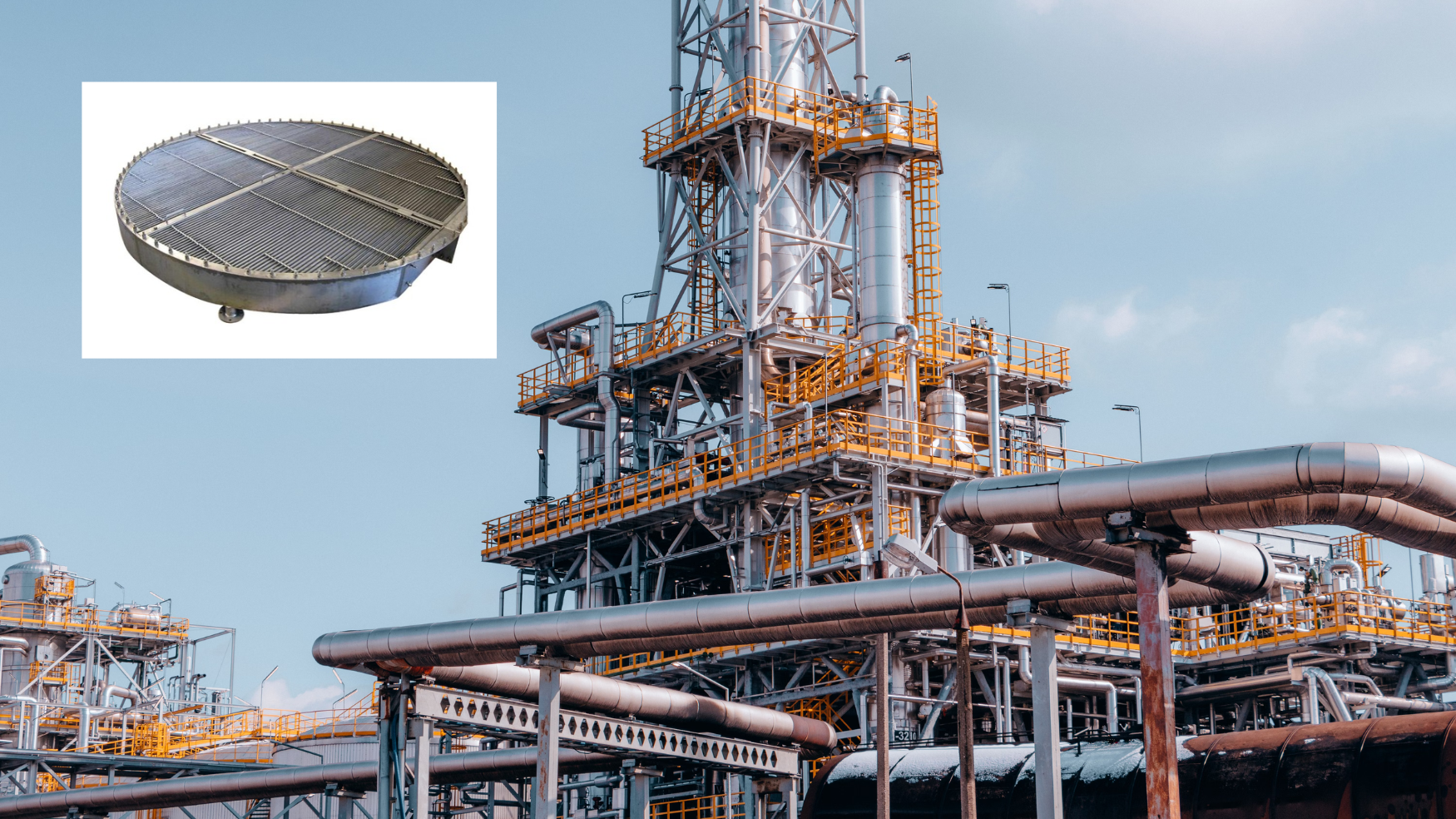
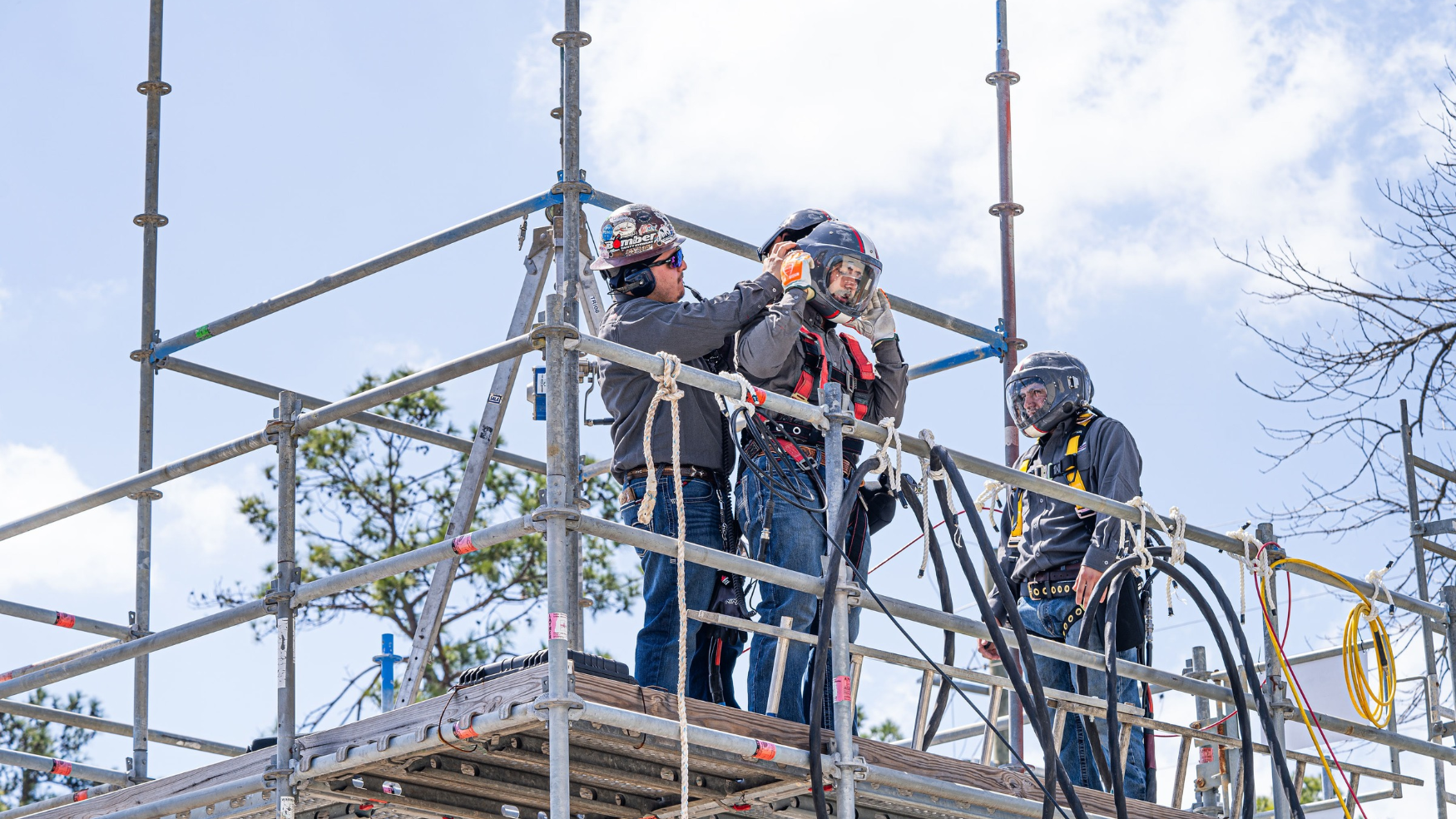
Turnarounds depend on skilled craftsmen, and finding enough of them has become harder. Experienced workers are retiring, and fewer new workers have entered the trades to replace them. Because plants schedule turnarounds in the same spring and fall seasons, contractors and craft workers are in high demand at the same time. That competition raises labor rates and makes it harder to fully staff a job, especially specialized work: tower internals, catalyst handling, inert entry.
Higher Material Costs and Longer Lead Times
Steel, alloys, gaskets, bolting, and fabricated components cost more, and many take longer to source than they once did. Replacement trays, packing, distributors, and custom pressure parts may need ordering months ahead. Order late and the plant pays expedite premiums or waits on parts with crews standing by. Late material is one of the most common ways a well-planned turnaround falls behind.
Aging Equipment and Longer Run Lengths
Plants are operating equipment that has been in service for decades while pushing for longer runs between turnarounds. Both put more wear on towers, reactors, and vessels. When the equipment finally opens, inspectors find more corrosion, fouling, and damage than past outages. That discovered work adds labor, materials, and time to a turnaround budgeted around a smaller scope.
Scope Growth and Schedule Overruns
Even with careful planning, scope grows once equipment opens. Added work affects crew sizes, material needs, and inspection schedules, and it can push the critical path. When a turnaround runs long, costs rise two ways: the direct cost of extra labor and equipment, and the lost production of a unit that stays down. For many plants, schedule overruns are the largest source of turnaround cost growth.
More Requirements Before Work Begins
Safety, environmental, and regulatory requirements have expanded, and contractors must meet more qualification and training standards before stepping on site. These requirements are worth having: they prevent incidents that would cost far more. But they add time and administrative work to planning, and they shrink the pool of contractors available for specialized jobs on short notice.
How Plants Are Responding
Plants are starting turnaround planning earlier and freezing scope sooner, so materials get ordered and contractors get booked in advance. They are reviewing past inspection records and using data gathered while units run to predict which equipment will need work, and building contingency into budgets for those areas. Some are cutting the number of contractors on a job by working with companies that handle a wider range of work, reducing handoffs, coordination, and mobilization. Others are working lessons learned from previous outages so the same delays do not repeat.
The Role of the Right Contractor
Contractor selection directly affects turnaround cost. Experienced, well-trained crews complete the work right the first time, avoiding rework that adds days. A contractor that owns its specialized equipment avoids the delays of sourcing rentals during a busy season. A contractor that handles mechanical, tower, catalyst, and code repair work absorbs discovered scope without the plant bringing in another company. And a strong safety record protects the schedule, because incidents stop work and add costs nobody budgets.
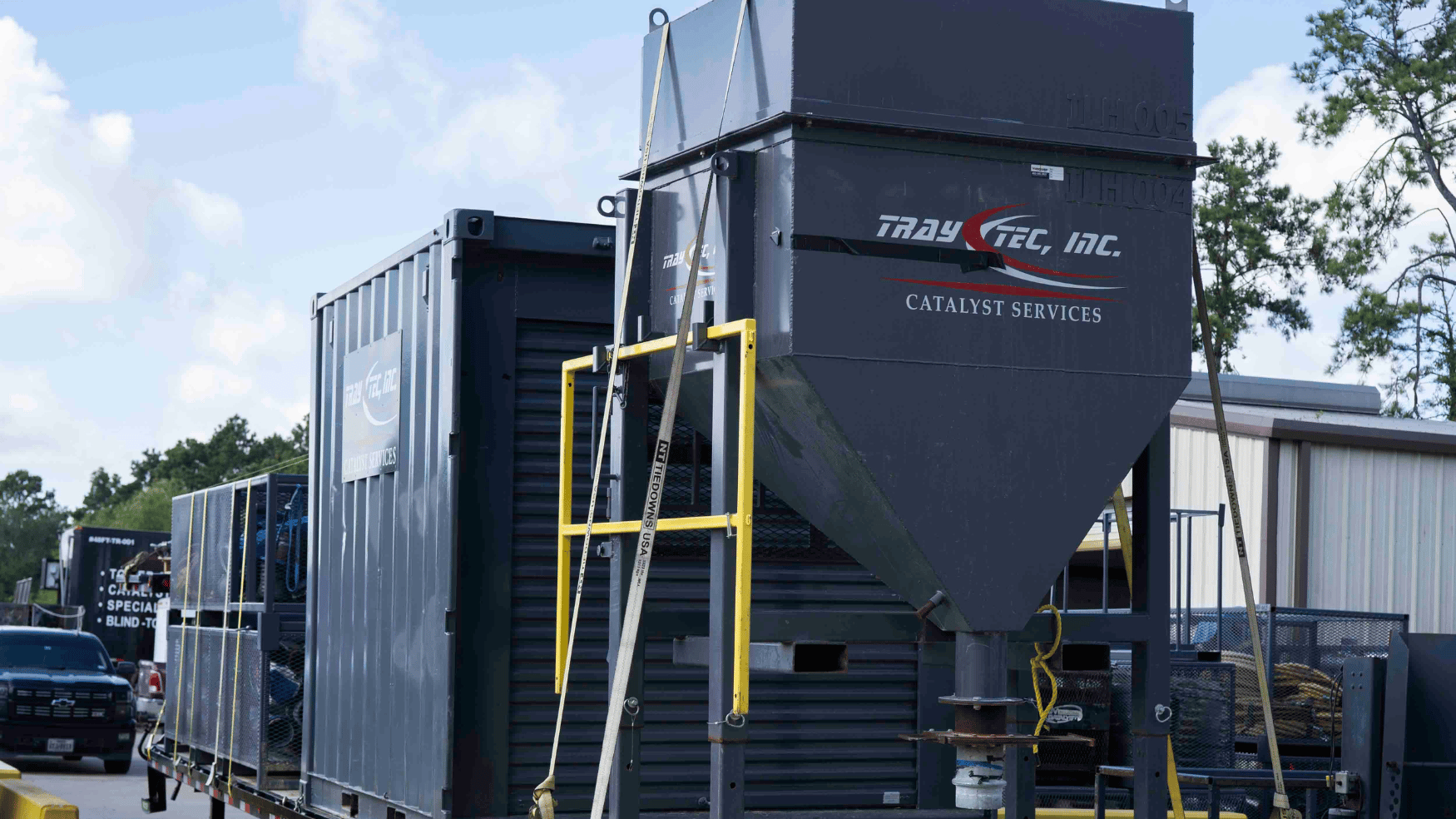
Controlling Turnaround Costs With Tray-Tec
Tray-Tec has helped refineries and chemical plants plan and complete turnarounds since 2005. Our crews handle mechanical, tower, and catalyst work from blind to blind, and our ASME and National Board certifications allow code repairs when inspection finds damage. We own our inert entry life support equipment, and we work with plants early in planning to define scope, identify likely problem areas, and build a realistic schedule. Fewer handoffs, fewer surprises, and a turnaround that stays on budget. If you are planning an upcoming turnaround, get in touch and let our team review your scope early.